
All transplant centers participating in the CIBMTR must submit a Pre-TED (2400) Form for each allogeneic (related or unrelated) hematopoietic cell transplant (HCT). The Pre-TED is a requirement of the SCTOD for all United States transplant centers when either the stem cell donation or the transplant occurs within the United States. For more information regarding the SCTOD, see General Instructions, Stem Cell Therapeutics Outcomes Database.
Although data regarding recipients receiving autologous HCTs are not required to be submitted as part of the C.W. Bill Young Transplant Program, the CIBMTR is highly committed to collecting data on these recipients for research studies. Centers choosing to report autologous data to the CIBMTR must report on all autologous transplants performed at their center. For more information regarding data reporting for autologous HCT, review HCT in the Data Management Guide.
The Pre-TED may be submitted to the CIBMTR up to two weeks prior to the start of the recipient’s preparative regimen (see Helpful Hint below).
Figure 1. Disabled Edit Form Icon
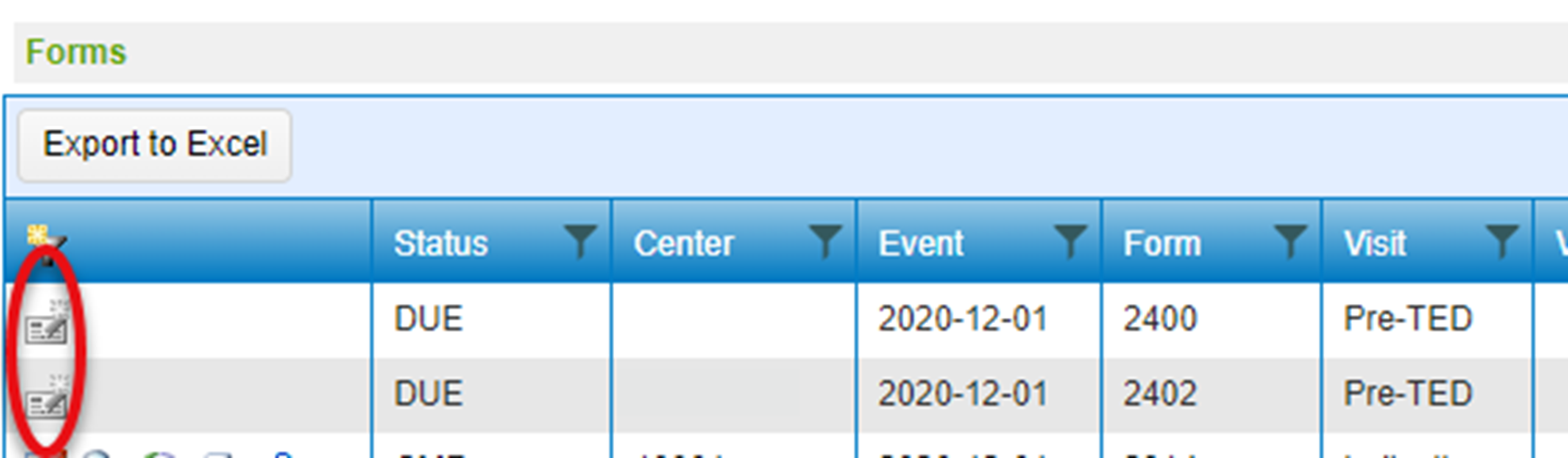
Figure 2. Hovered Text, Consent Not Yet Reported

For recipients receiving a subsequent HCT:
Transplant centers must submit a Pre-TED for all subsequent HCTs; this includes recipients assigned to the TED Forms and the Comprehensive Report Forms by the form selection algorithm.
For the majority of subsequent HCTs, the recipient will remain on the original follow-up form track assigned by the form selection algorithm. For more information regarding center type and the form selection algorithm, see Section 1 in the Center Reference Guide. A recipient may need to change tracks if enrolled on a study that requires comprehensive forms.
For recipients of multiple transplants, transplant centers are not granted access to the new Pre-TED Form in FormsNet3 until the Post-TED (Form 2450) or Post-Infusion Data Form (Form 2100) from the previous transplant has been completed.
Transplant centers can use the FormsNet3 application to determine if a Pre-TED is due by either: 1) accessing the Forms Due Report, or 2) entering the recipient’s unique ID (CRID) in the Patient Forms Due field.
Links to Sections of the Form:
Q1 – 21: Recipient Information
Q22 – 41: Hematopoietic Cellular Transplant (HCT) and Cellular Therapy
Q42 – 80: Donor Information
Q81 – 86: Clinical Status of Recipient Prior to the Preparative Regimen
Q87 – 119: Comorbid Conditions
Q120 – 134: Pre-HCT Preparative Regimen
Q135 – 139: Additional Drugs Given in the Peri-Transplant Period
Q140 – 142: GVHD Prophylaxis
Q143 – 145: Post-HCT Disease Therapy Planned as of Day 0
Q146: Prior Exposure: Potential Study Eligibility
Q147 – 157: COVID-19 (SARS-CoV-2) Impact on Hematopoietic Cell Transplantation
Manual Updates:
Sections of the Forms Instruction Manual are frequently updated. The most recent updates to the manual can be found below. For additional information, select the manual section and review the updated text.
If you need to reference the historical Manual Change History for this form, please click here or reference the retired manual section on the Retired Forms Manuals webpage.
| Date | Manual Section | Add/Remove/Modify | Description |
|---|---|---|---|
| 7/25/2025 | 2400: Pre-TED | Add | Recipient Research Repository Consent and Prior Infusion blue box added in Q12: Recipient Research Repository Consent and Prior Infusions: The recipient consent to the Research Repository question should only be answered for the recipient’s first allogeneic transplant. If the recipient has had prior autologous or cellular therapy infusions, and this infusion is the first allogeneic, please override the error message. If the recipient has had prior allogeneic infusion(s), please leave this question blank. |
| 7/25/2025 | 2400: Pre-TED | Modify | Instruction updated on how to answer Q135 – 139 when peri-transplant drugs were not given: For each agent listed, indicate whether the drug was administered during the peri-transplant period to prevent transplant-related complications or facilitate engraftment, and any additional question(s) for each drug administered.
|
| 7/25/2025 | 2400: Pre-TED | Add | Instructions updated in Q71: Indicate if the related donor signed an IRB-approved consent form to donate research blood samples to the CIBMTR. This question should only be answered if this is the recipient’s first allogeneic transplant. |
| 7/25/2025 | 2400: Pre-TED | Add | Instructions updated in Q73: There are a select number of transplant centers participating in the Related Sample Repository. If your center is one of the participating centers, and the donor provided a research sample, select Yes and provide the donor’s sample ID for the current infusion. The ID number is located on the bar code that is attached to the sample tube. If the donor did not provide a research sample, select No. |
| 7/25/2025 | 2400: Pre-TED | Add | Instructions updated in Q14: There are a select number of transplant center participating in the Related Specimen Repository. If your center is one of the participating centers, and the recipient provided a research sample, select Yes and provide the recipient’s sample ID in Research sample recipient ID for the current infusion. The ID number is located on the bar code that is attached to the sample tube. |
| 7/25/2025 | 2400: Pre-TED | Add | Instructions updated on when Q12 comes due for subsequent transplants: The Research Sample Repository contains blood samples from unrelated recipients and/or their adult volunteer donors or cord blood units. Related allogeneic recipients and/or donors will participate at selected transplant centers. The primary objective of the Research Repository is to make blood samples available for research studies related to histocompatibility and hematopoietic cellular transplantation. Studies in which these data may be used include
|
| 4/19/2025 | 2400: Pre-TED | Add | Gene therapy examples 6 and 7 added to Q75: Example 6 (single product): a single mobilization event, even when collected over several days Example 7 (single product): A recipient may require multiple mobilizations, and possibly multiple manufacturing steps, for the final product intended for infusion. It should be considered a single gene therapy product, regardless of how many mobilizations or steps required for manufacturing. |
| 7/26/2024 | 2400: Pre-TED | Add | Orca Bio Products and Donor Information blue box added above Q42 |
| 7/26/2024 | 2400: Pre-TED | Remove | Omidubicel and Orca-T Products blue box updated above Q42, 45, 47, 75, an 76 to clarify the instruction is only applicable for Omidubicel |
| 7/26/2024 | 2400: Pre-TED | Modify | Due to June 2024 monthly maintenance release, instructions updated on when Q12 comes due to subsequent transplants: The Research Sample Repository contains blood samples from unrelated recipients and/or their adult volunteer donors or cord blood units. Related allogeneic recipients and/or donors will participate at selected transplant centers. The primary objective of the Research Repository is to make blood samples available for research studies related to histocompatibility and hematopoietic cellular transplantation. Studies in which these data may be used include
|
| 4/19/2024 | 2400: Pre-TED | Remove | Instructions reporting weight prior to prep updated in Q121: Report the recipient’s body weight just prior to the start of the preparative regimen as documented on the transplant (for radiation and/or systemic therapy) or admitting orders. The intent of this question is to report the weight used to calculate the preparative regimen drug doses. This weight may also be the same weight reported on the Recipient Baseline (2000) Form, if applicable. Report weight to the nearest tenth of a kilogram or pound. Do not report adjusted body weight, lean body weight, or ideal body weight. Even if the recipient does not receive a preparative regimen, the weight is still required. |
| 4/19/2024 | 2400: Pre-TED | Modify | The Diagnosis of COVID-19 After the Start of the Preparative Regimen blue box removed and the COVID-19 Infection red box added above Q87 to clarify these questions are now disabled. |
| 4/19/2024 | 2400: Pre-TED | Modify | The COVID-19 Vaccine red box updated above Q90 to clarify these questions are now disabled. |
| 4/15/2024 | 2400: Pre-TED | Remove | Instructions reporting weight prior to prep updated in Q121 due to missing a sentence with the previous 4/3/2024 update: Report the recipient’s body weight just prior to the start of the preparative regimen as documented on the transplant (for radiation and/or systemic therapy) or admitting orders. The intent of this question is to report the weight used to calculate the preparative regimen drug doses. This weight may also be the same weight reported on the Recipient Baseline (2000) Form, if applicable. Report weight to the nearest tenth of a kilogram or pound. |
| 4/4/2024 | 2400: Pre-TED | Add | Plasma vs Serum Samples blue box added above Q106 |
| 4/3/2024 | 2400: Pre-TED | Modify | Instructions for reporting the weight prior to prep were updated in Q121: Report the recipient’s |
| 3/13/2024 | 2400: Pre-TED | Modify | The red warning box above Q147 updated to clarify this section is now disabled and will be updated with the next revision of the Pre-TED (2400) form. |
| 3/8/2024 | 2400: Pre-TED | Add | Omidubicel and Orca-T Products blue box added above Q76: Omidubicel and Orca-T Products: If the product is Omidubicel, report the number of products intended to achieve hematopoietic engraftment as two and complete two HCT Product and Infusion (2006) forms. If the product is Orca-T, report the number of products intended to achieve hematopoietic engraftment as one and complete one HCT Product and Infusion (2006) forms and two Cellular Therapy Product (4003) forms. |
| 3/8/2024 | 2400: Pre-TED | Add | Omidubicel and Orca-T Products blue box added above Q75: Omidubicel and Orca-T Products: If the product is Omidubicel, report the number of products from the donor as two. If the product is Orca-T, report the number of products from the donor as three. |
| 3/8/2024 | 2400: Pre-TED | Add | Omidubicel and Orca-T Products blue box added above Q47: Omidubicel and Orca-T Products: If the product is Omidubicel or Orca-T, report No, the product was not genetically modified. |
| 3/8/2024 | 2400: Pre-TED | Add | Omidubicel and Orca-T Products blue box added above Q45: Omidubicel and Orca-T Products: If the product is Omidubicel, report the product type as CBU. If the product is Orca-T, report the product type as BM. |
| 3/8/2024 | 2400: Pre-TED | Add | Omidubicel and Orca-T Products blue box added above Q42: Omidubicel and Orca-T Products: If the product is Omidubicel or Orca-T, select No for multiple donors. |
| 2/21/2024 | 2400: Pre-TED | Add | ATG / Campath blue note box added above Q106 |
| 12/4/2023 | 2400: Pre-TED | Remove | Removed the Cord Blood Units and Ex-vivo Expansion blue box: |
| 10/25/2023 | 2400: Pre-TED | Modify | Navigation instructions updated: Continue with Specify number of products infused from this donor |
| 8/28/2023 | 2400: Comorbid Conditions: | Remove | Condensed comorbidity instructions listed in Q100 and 101 Appendix J |
| 8/6/2023 | 2400: Pre-TED | Add | The Canadian Cancer Trials Group red warning box was above Q16: Canadian Cancer Trials Group Do not report Canadian Cancer Trials Group (CCTG) trials. |
| 7/28/2023 | 2400: Pre-TED | Add | Instructions updated in Q79 – 80 on how to report product name due to specific products being added to the form: Report the name of the product. If the name is not listed, select Other name and specify the gene therapy product name. |
| 7/28/2023 | 2400: Pre-TED | Add | Updated instructions in Q17-18 to clarify RCI-BMT is now known as CIBMTR CRO Services: Select the study sponsor of the clinical trial the recipient is participating in. If the participant is enrolled in multiple studies, even if from the same sponsor, report each study separately. If the study sponsor is reported as BMT-CTN, CIBMTR CRO Services (formerly RCI-BMT), or PIDTC, continue with Study ID Number. |
| 7/28/2023 | 2400: Pre-TED | Add | Clarified in Q19 response options will remain the same, even though the RCI-BMT has been updated to CIBMTR CRO Services: Enter the BMT-CTN, RCI-BMT, or PIDTC study ID number of the recipient. Although the RCI-BMT study sponsor name has been updated to CIBMTR CRO Services, existing study ID options will remain listed as RCI-BMT. The new title CIBMTR CRO Services will be used as new studies are added to the option list. |
| 7/19/2023 | 2400: Pre-TED | Modify | Updated instructions on what relapse date to report when the reason for subsequent HCT is recurrent primary disease in Q31-35: Recurrent primary disease: Additional stem cells are required because of relapse primary disease (i.e., complete remission was achieved pre- or post-transplant, but the disease relapsed following the previous transplant). If the reason is recurrent primary disease, continue with Date of relapse and report the relapse date. If multiple relapses have occurred since the previous infusion, report the date of the most recent relapse. |
| 7/19/2023 | 2400: Pre-TED | Add | Therapy Clinical Trials red warning box added above Q16: Therapy Clinical Trials Do not report clinical trials for induction / consolidation / salvage therapy (excluding clinical trials sponsored by COG or if the recipient is enrolled on the PedAL study, COG APAL2020SC), blood / tissue sample collection, or any trial the recipient is enrolled post-HCT. |
| 7/19/2023 | 2400: Pre-TED | Modify | Clarified which clinical trials should be reported in Q16: For the infusion being reported on this form, indicate if the recipient is a registered participant of a Report any clinical trial, including upfront or relapse chemotherapy, only if the sponsor is COG or if the recipient is enrolled on the PedAL study, COG APAL2020SC |
| 7/19/2023 | 2400: Pre-TED | Modify | Clinical trials blue box updated above Q16: Clinical Trials As of the April 2023 release, |
| 5/1/2023 | 2400: Pre-TED | Add | Clinical trials blue box added above Q16: Clinical Trials As of the April 2023 release, and pre- or post-infusion key treatment clinical trials should now be reported on the Pre-TED (2400) Form, regardless of if the sponsor uses CIBMTR forms to capture outcomes data. Review the instructions below for additional information on key treatment clinical trials. Corporate / industry trials or investigator-initiated trials should be reported under Other. |
| 5/1/2023 | 2400: Pre-TED | Modify | Instructions for reporting clinical trials updated as part of the Spring 2023 release: Indicate if the recipient is a registered participant of a key treatment clinical trial pre- or post-infusion. Examples of pre-infusion key treatment clinical trials include cooperative group initial treatment trials (i.e., Alliance, ECOG-ACRIN, SWOG, and COG), cooperative group relapse treatment trials, and transplant trials
|
| 5/1/2023 | 2400: Pre-TED | Add | Peri-transplant time frame defined: Drugs may be given during the peri-transplant (before and after infusion). period to prevent transplant-related complications, such as liver injuries or to facilitate engraftment. For each agent listed, indicate whether the drug was administered during the peri-transplant period to prevent transplant-related complications or facilitate engraftment, and any additional question(s) for each drug administered.
|
| 5/1/2023 | 2400: Pre-TED | Add | Cord Blood Units and Ex-vivo Expansion blue box added add to Q45: Cord Blood Units and Ex-vivo Expansion If the product is a cord blood unit that was ex-vivo expansion was performed, select Other product and specify ‘ex-vivo cord blood unit’ along with the method of expansion (examples of expansion methods include, but are not limited to, with omidubicel, with UM171, or on mesenchymal stem cells). |
| 2/15/2023 | 2400: Pre-TED | Remove | Instructions for reporting the height prior to prep were updated: Report the recipient’s height just prior to the start of the preparative regimen. The intent of this question is to determine the height used when calculating preparative regimen drug doses. This height is usually documented on the transplant orders (for radiation and/or systemic therapy) or admitting orders. |
| 10/20/2022 | 2400: Pre-TED | Add | Instructions for Q17 – 18 updated to include PedAL option: If the study sponsor is reported as USIDNET, COG, or PedAL continue with Subject ID. |
| 10/20/2022 | 2400: Pre-TED | Add | Instructions for Q16 updated to include PedAL option: Indicate if the recipient is a registered participant with BMT-CTN, RCI-BMT, USIDNET, COG, PedAL and/or another clinical trial sponsor that uses CIBMTR forms to capture outcomes data. |
| 10/18/2022 | 2400: Pre-TED | Add | Clarification added on how to answer Q135 – 139 when peri-transplant drugs were not given: If the recipient did not receive any of the drugs listed above, leave these questions blank and override the error as ‘verified correct.’ |
| 9/23/2022 | 2400: Pre-TED | Modify | Version 9 of the 2400: Pre-TED section of the Forms Instruction Manual released. Version 9 corresponds to revision 10 of the Form 2400. |
Need more help with this?
Don’t hesitate to contact us here.